Compare an event planner vs coordinator by responsibility, timing, and vendor handoffs. Choose support that matches the work your event still needs.
The difference between an event planner vs coordinator is easiest to see when you list the decisions still waiting to be made. A planner helps shape the event before those decisions become urgent. A coordinator keeps agreed details moving closer to the event. Many events need elements of both, but the right support depends on how complete your plan is today.
For a Fort Myers wedding, fundraiser, company program, or private celebration, begin with scope rather than titles. Ask who owns the budget outline, vendor conversations, timeline, room plan, guest communication, and on-site decisions. That turns a vague request for “help” into a useful working plan.
Event planner vs coordinator: start with the work still open

Planning support is valuable when the core choices have not been made. This can include defining the event purpose, building a workable sequence, selecting an event format, comparing rental needs, and connecting décor, food service, entertainment, and guest movement. A planner may help turn an idea into a detailed roadmap.
Coordination is often most useful when those choices are largely made but need careful follow-through. The coordinator’s work may include confirming the timeline, organizing contacts, checking that the layout matches the plan, and helping activities happen in the intended order. Exact responsibilities vary, so never assume a title alone describes the service.
Creative Events offers event planning and event consulting for practical scope planning. A conversation about your event can identify which decisions need strategic help and which need execution support.
Use a responsibility map before you hire support
Write down the decisions
Make columns for venue, guest count, budget guardrails, rentals, food, program, transportation, décor, invitations, and rain or weather considerations. Mark each item as decided, in progress, or unassigned. The unassigned items show where planning support may have the most value.
Then make a second list for event week: access times, delivery contacts, setup sequence, program cues, vendor arrival times, family or executive contacts, and breakdown. That list shows where coordination can protect the event from last-minute confusion.
The U.S. Small Business Administration’s management guidance emphasizes organizing operations and responsibilities. While it is not an event plan, the same principle applies: a clear owner for each task makes complicated work easier to manage.
Match the support to your event format
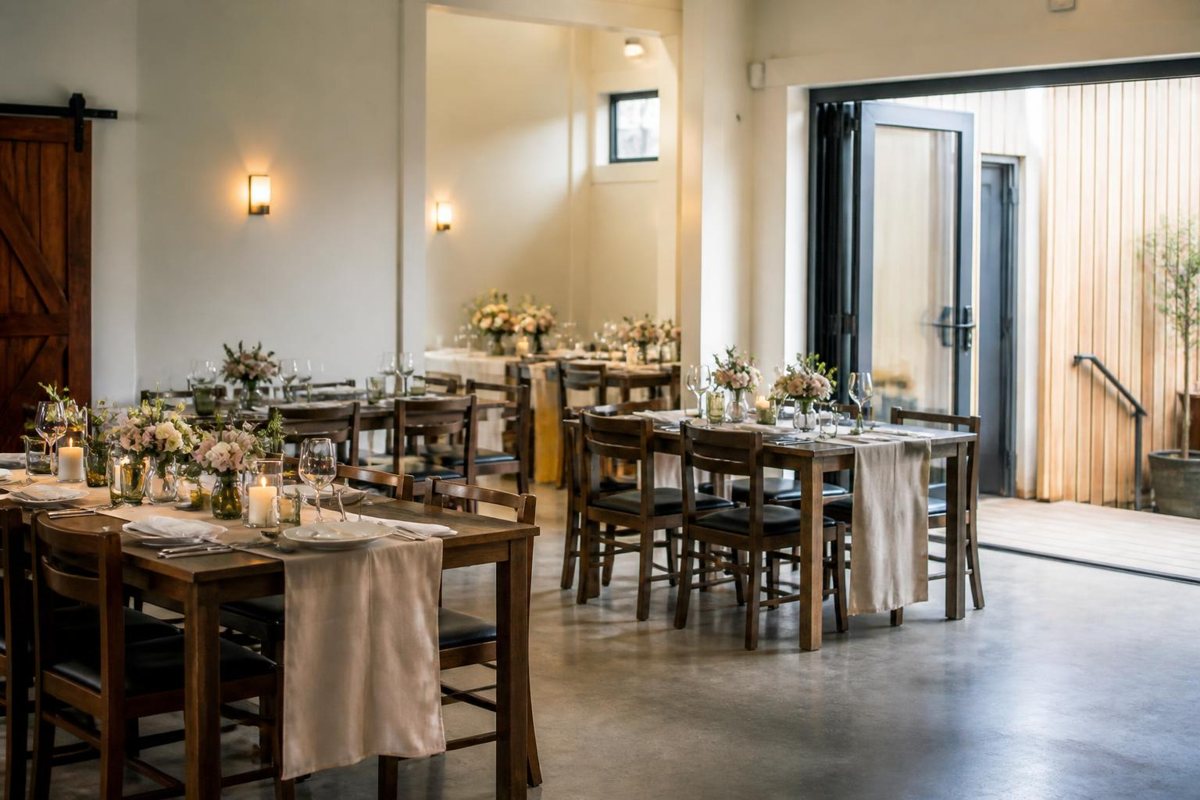
A simple birthday party with a chosen venue and short vendor list may need only a clear rental plan and day-of coordination. A wedding with a ceremony, reception, tenting, dining, and entertainment has more moving parts to connect. A fundraiser can add auction logistics, donor recognition, staging, and a program schedule.
Look beyond the schedule. Ask how guests enter, where they gather, when food service happens, and how the room changes between parts of the event. Event installation and setup can be part of the same conversation when rentals or tenting need to fit a defined timeline.
Questions to ask before choosing a planner or coordinator
Bring a written event goal, preliminary date, location, estimated guest count, and list of confirmed vendors. Ask what deliverables are included, how decisions and changes are documented, who is the on-site contact, and when the team becomes involved. Be clear about your own role: some hosts want a partner in every decision, while others want someone to organize a plan they have already designed.
For local events, the Fort Myers event rentals and planning page is a useful starting point for connecting support with rentals. A strong plan makes room for the details that matter to your guests without overwhelming the people hosting them.
Compare two common starting points
Imagine a couple who has chosen a date but has not selected a venue, confirmed an approximate guest experience, or worked out how ceremony, dinner, and dancing will fit together. Their open questions affect almost every later choice. Planning support can help them establish a sequence, identify rental categories, and make choices in an order that avoids rework.
Now imagine a nonprofit with a venue, donor list, caterer, auction process, and program already confirmed. Its remaining challenge may be keeping those details aligned as the event approaches: arrival times, room layout, microphone cues, sponsor recognition, volunteer assignments, and checkout. Coordination can be valuable because the plan exists but needs one clear operational view.
Make the scope readable to everyone
Ask for a shared timeline that names the task, owner, due date, and dependency. “Confirm tables” is vague; “venue confirms final dining footprint after the guest-count deadline” identifies the next action and the reason it matters. Apply the same clarity to vendor communication. Decide who may approve a layout change, who receives updates, and which information must be shared with every vendor.
Scope also has boundaries. A planning or coordination conversation should state what is included, what information the host must provide, and when decisions need to be final. That protects the event from assumptions and gives the host a realistic view of what remains. It is better to identify an unfinished decision early than to discover it during setup.
Use rentals as part of the coordination plan
Rentals are often the physical expression of a planning decision. Tables affect seating, chairs affect ceremony and dining, tents affect the site plan, and staging affects sightlines. When one person changes the guest count or program sequence, the rental plan may need a review as well. Keep a current version of the layout and item list so the event team is working from the same information.
Choose support with a clear scope and handoff plan
Good support also creates a decision order. Venue and guest experience choices usually inform rentals, catering, and program timing. When decisions are made in that order, later details have a stable foundation and fewer revisions are needed.
Before committing, ask for examples of the documents you will receive, such as a timeline, contact list, layout review, or planning checklist. Seeing the working tools makes the proposed role easier to understand than a broad service label. It also helps you decide whether the support complements the work you have already completed.
Build a planning handoff that survives change
Events change because guest counts shift, a venue changes access times, weather affects an outdoor plan, or a speaker needs more time. The useful question is not whether change will happen. It is how a change gets recorded and shared. Keep one current timeline, one current layout, and one current vendor-contact list. When a decision changes, note the date, the person who approved it, and the people who need the update.
For example, moving a ceremony start time affects more than the ceremony. It may affect rentals, catering arrival, photography, guest transportation, music cues, and when a room can be reset. Planning support can help identify those connections before an adjustment creates a surprise. Coordination support can make sure the revised instructions reach the right people and are followed on event day.
Ask how communication will happen during the final week. Some events benefit from a concise daily update; others need a single final confirmation after all information is settled. What matters is that hosts, venue contacts, and vendors do not work from separate versions of the plan. Include the venue’s preferred contact route and avoid making a last-minute group message the only source of truth.
Consider the host experience, too
The right support should allow the host to participate in the event rather than spend the entire time answering logistical questions. Decide who will welcome vendors, who handles a late delivery, who can approve a minor layout adjustment, and who communicates a schedule change to speakers or family members. When those roles are assigned, the host can focus on guests and the purpose of the gathering.
A planner or coordinator is not a substitute for clear host decisions. The host still needs to state priorities: what cannot move, where flexibility exists, and who has final approval. Clear priorities make it easier for support staff to make sensible choices when two needs compete.
Frequently asked questions
Can one person provide planning and coordination?
Sometimes. Ask for a written outline of the actual responsibilities, timing, and on-site role.
When should I ask for planning help?
Start when key choices such as venue, event format, guest experience, rentals, or vendor scope are still open.
What does a coordinator need from me?
A current timeline, vendor contacts, layout details, decisions already made, and a way to reach the people authorized to decide on event day.
To decide whether an event planner vs coordinator fits your event, request a quote from Creative Events & Rentals or call (239) 768-6393. We can help you build practical support around your Fort Myers-area event.