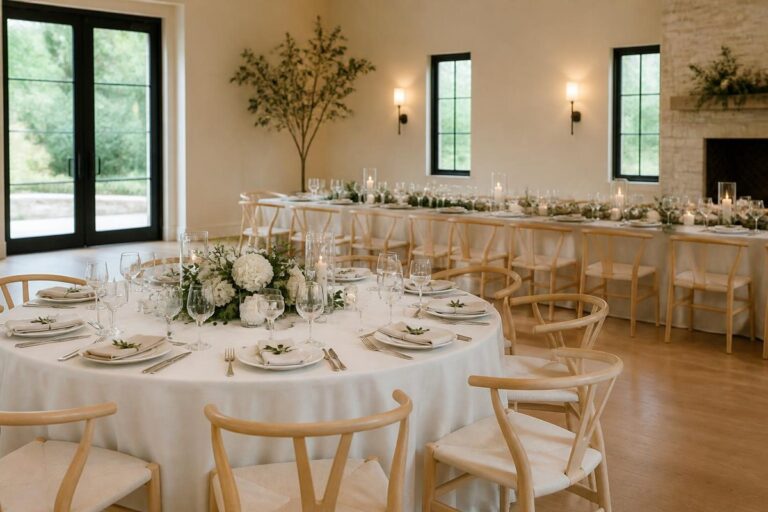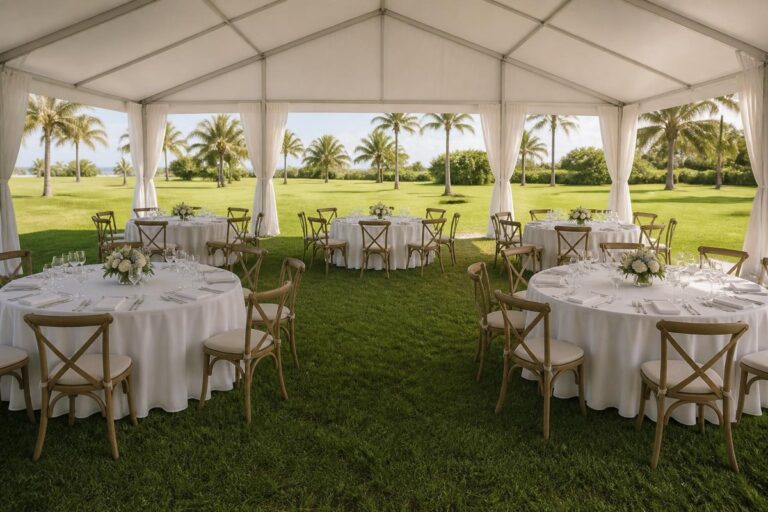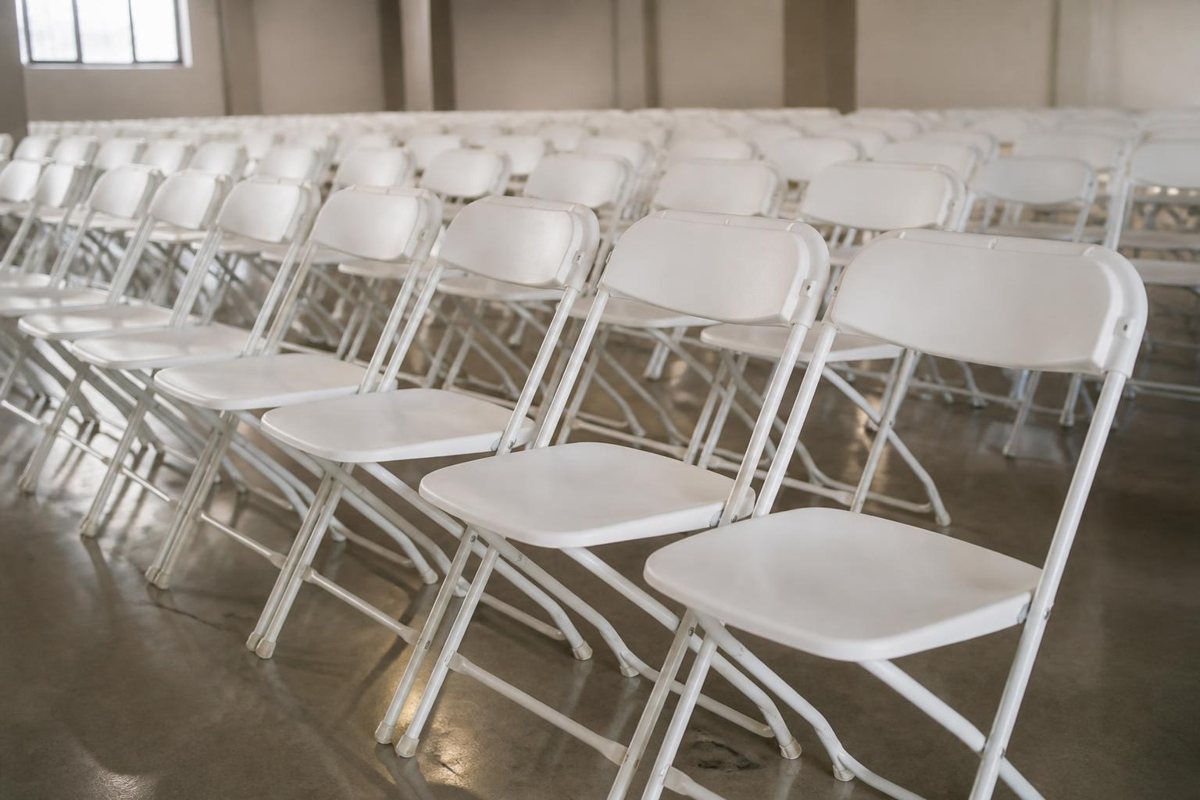
Decide whether to rent or buy chairs by comparing storage, transport, setup, repeat use, and the seating your one-time event actually needs.
When you need seating for one celebration, the question is rarely just where to find chairs. The practical question is whether you should rent or buy chairs once you count transport, storage, matching pieces, setup time, and what happens after guests leave. A good answer begins with the event itself: how many people will attend, how formal it feels, where it will happen, and whether you expect to use the chairs again soon.
For many Southwest Florida hosts, rental seating makes a one-time plan easier to control. Buying can make sense for an organization that repeatedly uses the same chairs and has a real place to keep and maintain them. Use this guide to compare the two paths before your event checklist becomes a pile of mismatched furniture.
How to rent or buy chairs for the event you are actually hosting
Start with the guest experience. A backyard graduation party, a waterfront wedding reception, and a donor dinner may all need chairs, but they do not need the same style, quantity, or layout. Decide first whether guests will sit for a meal, a ceremony, a presentation, or several of those moments. Then consider the table shape, aisle needs, stage sightlines, and the surface underfoot.
Renting lets you select seating for that one design without committing to a permanent collection. Creative Events offers chair rentals for weddings, VIP seating, stages, and photo moments, so the seating can fit the occasion instead of asking the occasion to fit what happens to be in storage.
Buying deserves a closer look when the same group hosts frequent, similar events. A community organization with recurring meetings, for example, may value having identical chairs available. That decision still includes a plan for cleaning, repairs, stacking, moving, and replacing damaged pieces. The purchase price is only the first line of the decision.
If the group will keep its chairs outside, such as on a clubhouse patio or a pool deck, choose furniture made for sun and rain rather than folding indoor chairs. Outdoor chairs like the Armless Café Chair from Plastic Furniture To Go, made from marine-grade polymer, are built to stay outdoors between uses.
Compare the full work behind each choice
What rental seating can simplify
A rental order can align chair count and style with the current guest list. It also keeps temporary event equipment out of a garage, office, or storage unit after the party. If the format changes from a dinner to a ceremony and cocktail reception, you can revisit the seating plan before the event rather than being limited to a prior purchase.
Renting also creates room to coordinate chairs with other event pieces. Your seating plan may need to work with table rentals, linens, a tent, or a dance floor. Reviewing those items together helps avoid a room that looks assembled in separate decisions.
What ownership asks of you
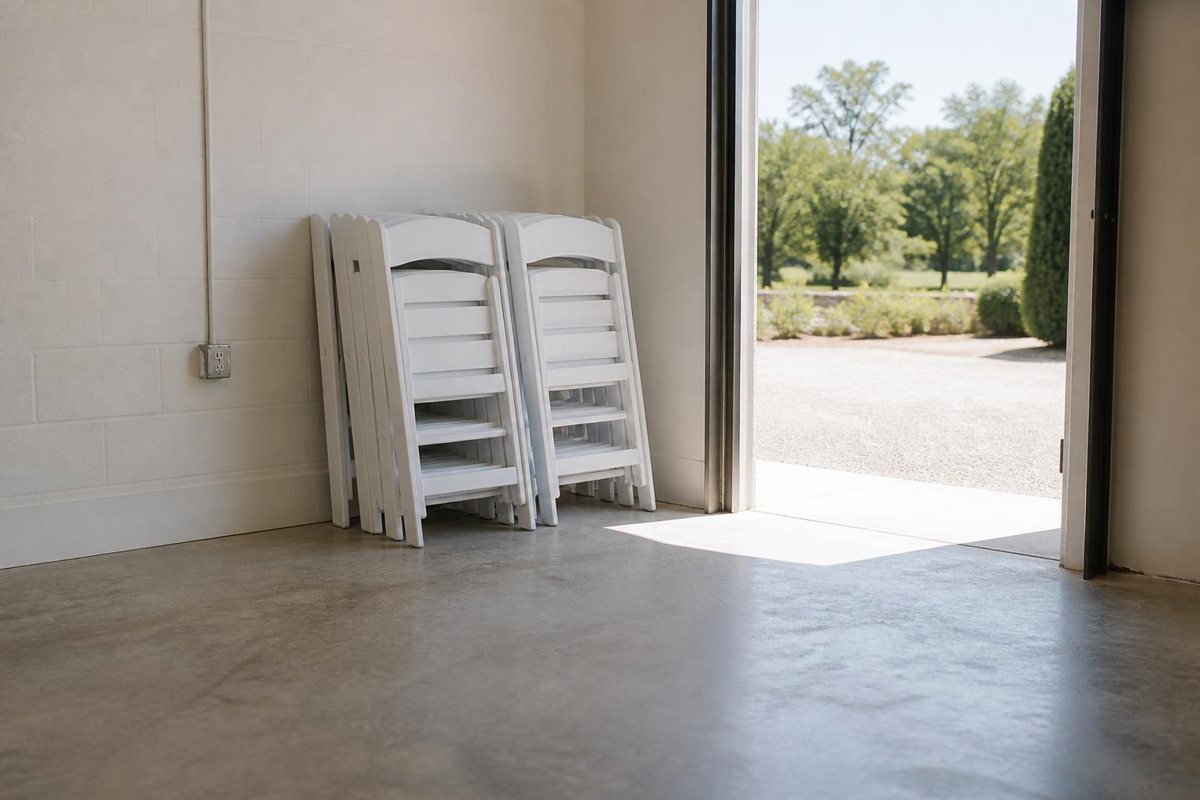
Owned chairs need a dry, secure storage plan and a way to move them without scuffing floors, walls, or the chairs themselves. Someone must inspect them before each event, keep counts accurate, and solve problems when a chair is missing or unstable. If you buy folding chairs for a casual gathering, they may not suit a later formal reception. If you buy formal seating, it may be excessive for a neighborhood event.
There is also an end-of-life question. The EPA encourages people to consider reducing and reusing materials before disposal; its waste-reduction guidance is a useful reminder that the most useful item is one with a realistic next use. That does not make rental or purchase universally better. It makes honest reuse and storage plans part of the comparison.
Build a chair count before choosing a style
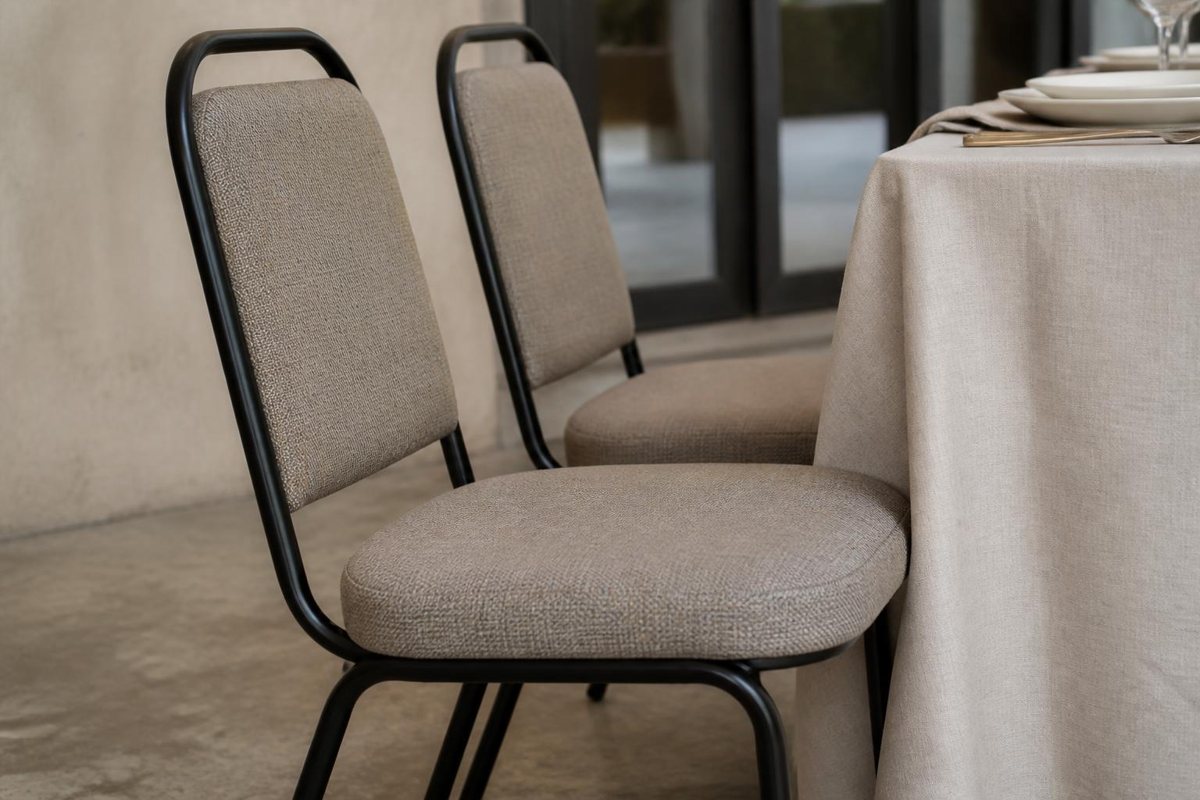
Make a simple list of every seated moment. Include guests, the couple or honorees, speakers, children, vendors who will be seated, and any reserve chairs you truly expect to use. Then sketch the room or outdoor footprint. A count without a layout can create a crowded dining area or a ceremony aisle that feels improvised.
For an illustrative example, a dinner for 80 guests with eight seats at ten tables begins with 80 dining chairs. If two speakers need seats near a presentation area and a small family table seats six, the planning count becomes 88. That arithmetic is only a starting point; it does not determine accessibility, fire, venue, or safety requirements. Confirm those requirements with the venue and event professionals involved.
Style comes after function. Consider whether guests need an upright ceremony chair, a dining chair that works at the table height, or specialty seating for a sweetheart table or stage. Keep pathways open and make the plan easy for guests to understand when they arrive. The U.S. Access Board’s accessible-route guidance is helpful background when you are thinking about clear travel paths; the venue can advise on the requirements that apply to your event.
Questions that make the decision clearer
Ask the same questions whether you rent or buy: Who is responsible for transport? When can equipment arrive? Who sets chairs in place and returns them after the event? What surface will they sit on? Does the venue have restrictions about furniture, loading access, or timing? Clear answers prevent a small seating detail from becoming a last-minute production issue.
If you rent, share your estimated count, event format, venue, and timeline early. If you buy, write down where the chairs will live and who will be responsible for them after the event. Both choices work better when they are connected to a complete event plan instead of treated as a single shopping decision.
Use a decision worksheet, not a hunch
Put two columns on a page: rental and ownership. Under each, list the chair style, number needed, transport, setup labor, cleanup, storage, repair responsibility, and expected future uses. Give each line an answer rather than leaving it as an assumption. For example, a company hosting one annual dinner may own basic meeting chairs but still rent different seating for a formal awards meal. A family hosting one wedding may have no meaningful future use for dozens of chairs after the reception.
Also note what flexibility is worth to you. A preliminary guest count may move up or down. The venue may change the table plan. An outdoor ceremony may become a tented reception. A rental plan can be revised around those decisions, while ownership creates a fixed inventory that may or may not suit the final arrangement. Neither choice is automatically more responsible; the useful choice is the one you can actually transport, use, and care for well.
Check the event-day handoff
Before deciding, identify the moment chairs become your responsibility. Who receives them at the venue? Who checks the count? Who directs placement? Who makes sure ceremony chairs are moved or not moved before dinner? If family members are expected to handle those tasks, make sure they are not also needed for photos, greeting guests, or hosting. A defined setup plan can be as valuable as the chair selection itself.
For a Fort Myers event, you can also use the Fort Myers event rentals and planning page to explore local support alongside the seating plan. A coordinated quote conversation can bring chairs, tables, flooring, and setup questions into the same discussion.
Choose the option that reduces event-day work
One final check is to compare the plan against the person hosting the event. If that person will be busy greeting guests or managing a program, a chair plan with delivery and setup support may remove work at the moment it matters most. If a team has staff, storage, and repeat use already built into its operations, ownership may be practical. Choose the route that supports the event experience after the chairs are selected.
Frequently asked questions
Is it cheaper to rent or buy chairs for one event?
It depends on the chair type, quantity, transport, storage, and whether you will use the chairs again. Compare the complete work of ownership with the rental plan rather than comparing only a single price.
How far ahead should I plan chair rentals?
Start once you have a venue, event date, and preliminary guest count. Earlier planning gives you time to coordinate seating with tables, tenting, and the event layout.
Can chair rentals work for a formal event and a casual party?
Yes. The advantage of a rental plan is selecting seating that suits the specific occasion, from a ceremony or gala to a family celebration.
What should I tell a rental company?
Share the date, venue, expected attendance, event type, desired seating moments, access details, and the other rental items you are considering.
To decide whether to rent or buy chairs with a plan that fits your event, request a quote from Creative Events & Rentals or call (239) 768-6393. Bring your guest count, venue, and timeline, and we can help connect chair rentals with the rest of your Fort Myers-area event setup.