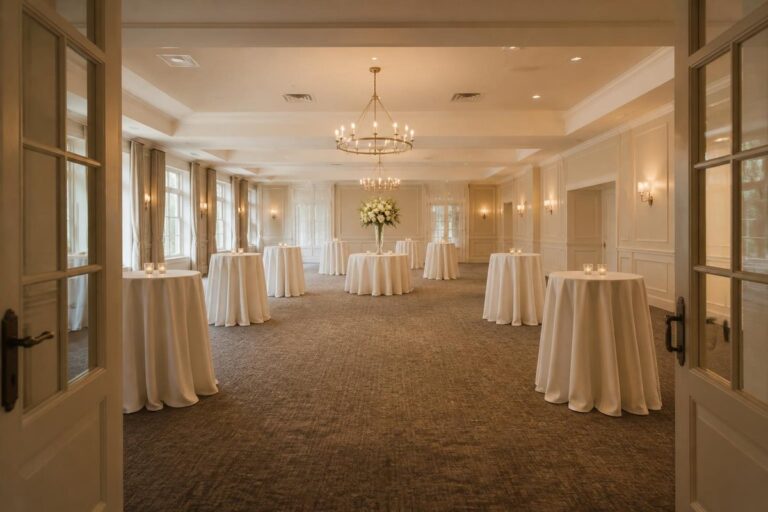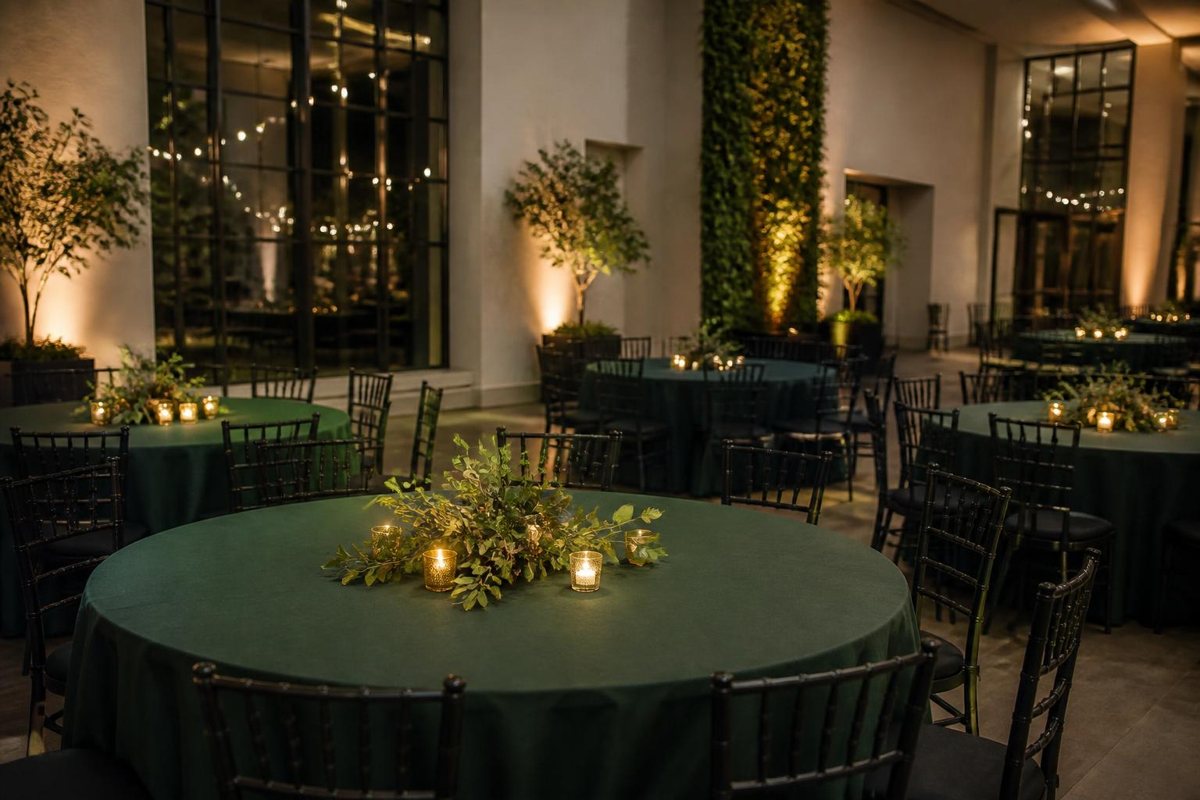
Start corporate holiday party planning with a clear brief, venue checks, rental needs, and a shared timeline for your Southwest Florida celebration.
A strong corporate holiday party planning process gives people a reason to relax while keeping the work behind the event orderly. Start with the purpose: celebrating a year of work, welcoming families, thanking clients, or bringing separate teams together. That answer informs the venue, timing, program, food, rentals, and guest communication.
Corporate holiday party planning begins with a brief
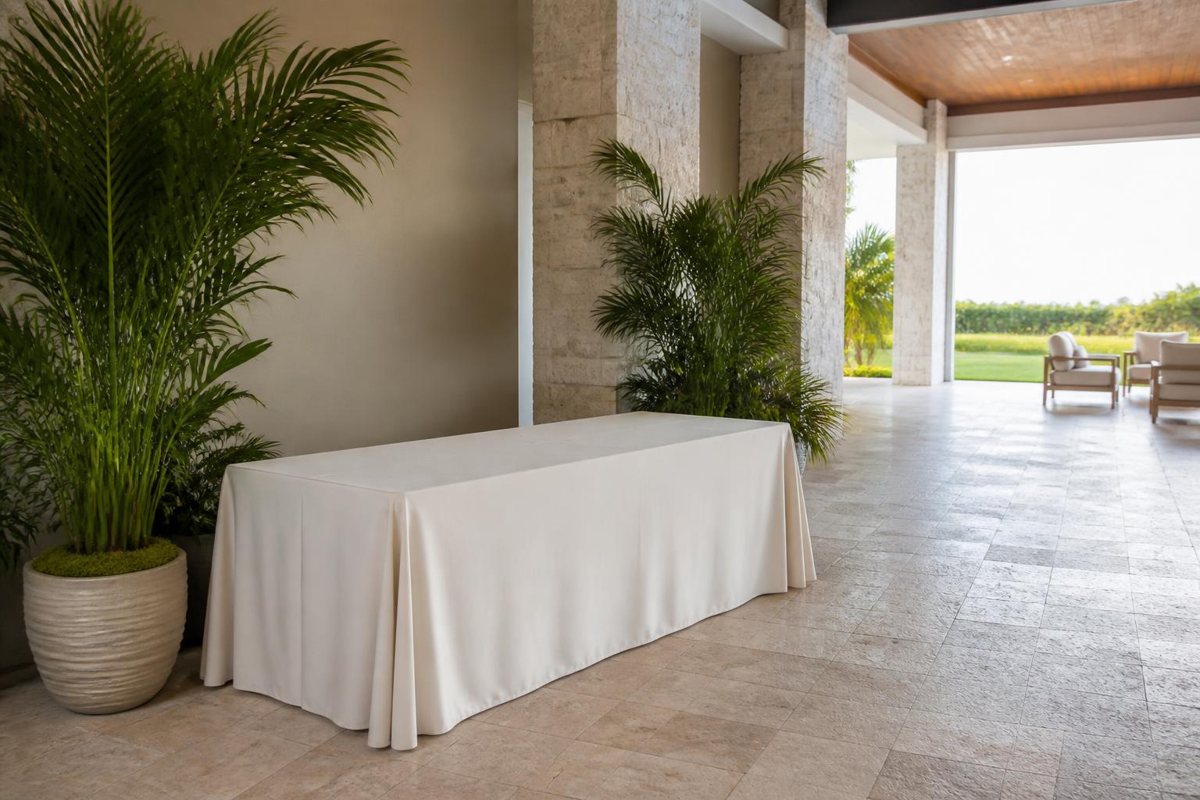
Write a one-page event brief before collecting ideas. Include the host organization, date range, approximate attendance, budget guardrails, location preference, audience, and desired atmosphere. Note whether the gathering is employee-only, includes guests, or has a community component. A clear brief keeps decisions connected instead of turning every new decoration or activity into a separate project.
Choose two or three outcomes you can recognize after the event. They might be strong attendance, a comfortable setting for conversation, or a simple appreciation moment. Avoid measuring success only by how full the schedule looks. Guests often remember whether arrival felt easy, food was accessible, and the program respected their time.
Create a practical timeline and ownership list
Eight to ten weeks out
Confirm the planning lead, approval path, tentative date, venue short list, and guest count range. Consider the location’s loading access, power, restrooms, parking, and weather alternatives. If you need a tented or outdoor event, begin site discussions early with tent rentals and event setup services.
Four to six weeks out
Finalize the guest invitation approach, food and beverage direction, floor plan, entertainment, and run of show. Assign one owner each for guest communication, vendor coordination, on-site decisions, and post-event closeout. Record decisions in one shared document so the team does not rely on a chain of messages.
Design the room around how people will use it
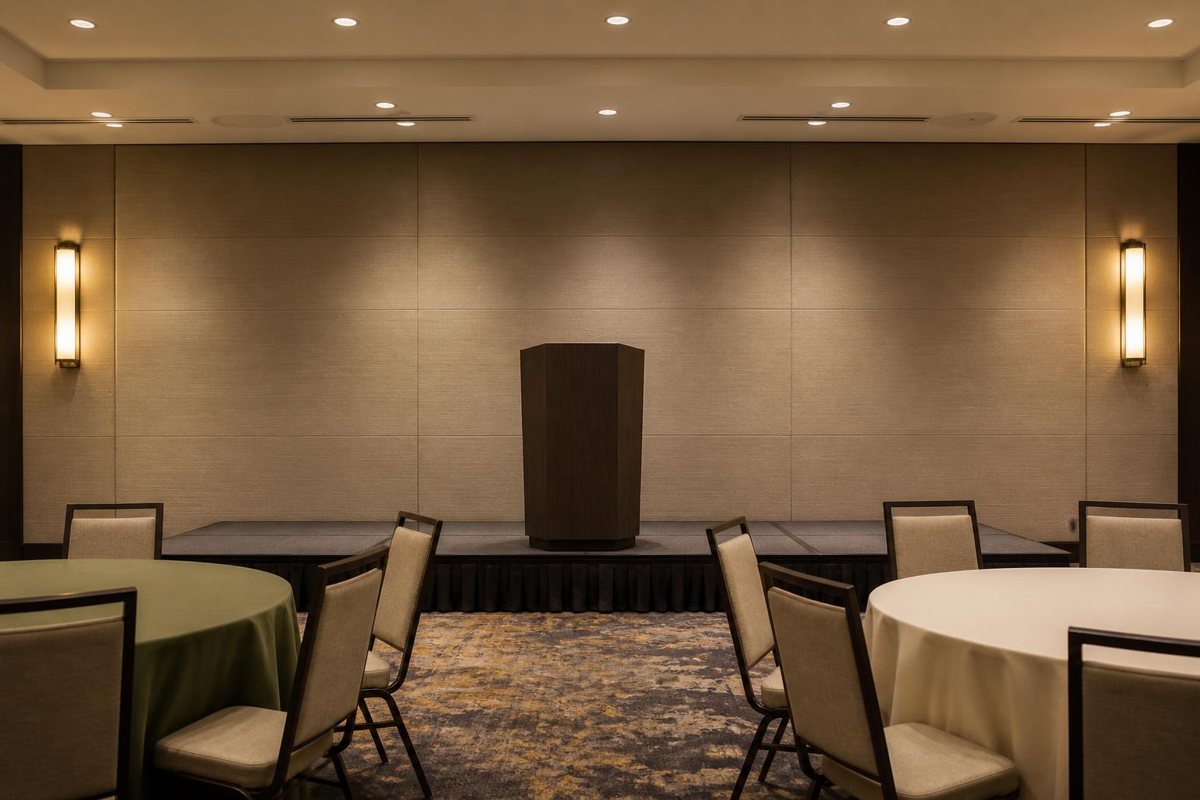
Map the arrival sequence first. Guests should know where to park, enter, check in, put down a coat, and find the gathering area. Then locate food, beverages, seating, entertainment, and a quieter area for conversation. Add clear walking routes before filling the room with tables or décor. Creative Events can help connect the plan with tables, chairs, and staging, lighting, and AV rentals.
Make participation optional where possible. A short toast, recognition moment, photo area, or easy activity can give the night structure without forcing every guest into the spotlight. Give hosts a simple run sheet with start times, contacts, and a fallback if an activity changes.
Make arrival and circulation part of the guest experience
Ask the venue about routes from parking, passenger drop-off, and entrances, then keep those routes clear in the final setup. The U.S. Access Board accessible-route guide explains the role of connections from arrival points to entrances. It is a useful planning reference; confirm site-specific requirements with the venue and appropriate professionals.
For a Southwest Florida event, also share the venue address, ground conditions, and weather plan early. Creative Events’ Fort Myers event planning and rentals team can start from the actual event setting rather than a generic room diagram.
Set a guest list and invitation plan
Build the invitation list with the event purpose in mind. Decide who may bring a guest, whether clients or partners are included, and how attendance will be collected. Give guests the basics early: date, time, address, parking or arrival guidance, attire if relevant, and an RSVP deadline. A clear invitation reduces last-minute questions for the planning team.
Track responses in one list that is available to the people responsible for seating, food counts, and check-in. Update the estimate at scheduled points instead of changing every vendor request with each new response. If dietary preferences or accessibility questions are collected, share only the necessary operational details with the appropriate provider.
Build a run of show that respects the room
Start with doors opening and show what guests can do immediately: check in, get a drink, find seating, or visit a photo area. Place announcements where they are easy to hear and keep them connected to the reason for gathering. A short welcome followed by recognition or a toast often works better than several long segments spread through dinner.
Assign one person to keep the timeline moving and another to handle operational questions away from the microphone. Include buffer time for arrivals, food service, and a delayed transition. The document does not need to be elaborate; it needs contact names, start times, cues, and a note of who can make a decision if conditions change.
Plan food, beverage, and seating as one system
Choose a meal format that matches the schedule. A buffet needs room for lines and a route that does not cut through a presentation area. Stations can distribute guests but need signs and enough space around each one. A seated meal shifts more activity to the service team and makes chair placement and table access especially important.
Put beverage service where guests can approach without forming a line across an entrance. If the group includes people who prefer quieter conversation, provide some seating away from speakers and entertainment. The best room plan allows guests to participate in the event at a pace that feels comfortable.
Prepare a simple weather and site response
Outdoor and tented corporate events need an agreed communication plan before guests arrive. Identify who watches conditions, who tells vendors about a change, and where guests would go if the schedule must pause. A tent can support the event setup, but it is not a lightning shelter; follow the venue’s procedures and weather guidance.
Walk the arrival route with the event team. Check exterior lighting, signs, parking directions, and the path from drop-off to check-in. These small details shape the first ten minutes of the party and are often more memorable than a last-minute decorative addition.
Choose rentals that match the event purpose
A recognition dinner may need comfortable dining furniture, a visible speaking area, and an orderly route for meal service. A networking-focused event may use more cocktail tables and lounge seating, with food stations spread around the room. A family gathering may need flexible seating and an activity area. Describe the intended behavior before selecting furniture.
Keep the visual plan connected to that purpose. Lighting, linens, signs, and décor can make the room feel festive, but they should not cover useful surfaces or narrow guest routes. Build the basics first, then add accents where they support the moment guests will actually experience.
Use a pre-event walkthrough
Schedule a short walkthrough with the on-site lead before doors open. Start at parking or drop-off and follow the guest route to check-in. Walk to food, beverages, seating, restrooms, and any program area. Check that signs are visible and that the people responsible for each station know where to be.
Review the event timeline at the same time. Confirm the cue for welcome remarks, food service, recognition, and closing. If the group needs to move from one area to another, decide who gives the instruction and how guests will hear it. This prevents small timing questions from becoming an interruption during the event.
Close out with useful notes
After the party, record attendance, timing changes, layout lessons, and vendor notes while they are fresh. Ask the planning group what felt smooth and what guests asked about repeatedly. These notes are practical preparation for the next gathering and make future corporate holiday party planning less dependent on memory.
Keep the notes with the approved layout and run of show, so the next planning team begins with practical information instead of an empty template.
Frequently asked questions
How far ahead should we start planning?
Start as soon as the date range and attendance range are known. Early planning gives more time to assess the venue, layout, and event needs.
What should be in a corporate holiday party checklist?
Include purpose, budget, attendance, venue, guest communication, layout, food, program, rentals, weather plan, and on-site owners.
Should we plan a formal program?
Use one when it supports the purpose. Keep it clear, short, and timed around the guest experience.
What details should we share with a rental team?
Share the date, location, guest range, schedule, site access, and the activities you want the space to support.
Who should own decisions during the event?
Name an on-site lead for the host organization and give vendors one reliable contact. A second person can manage guest questions and schedule changes.
Move your corporate holiday party planning brief into a workable event layout. Call Creative Events & Rentals at (239) 768-6393 or request a quote for a Fort Myers-area gathering.