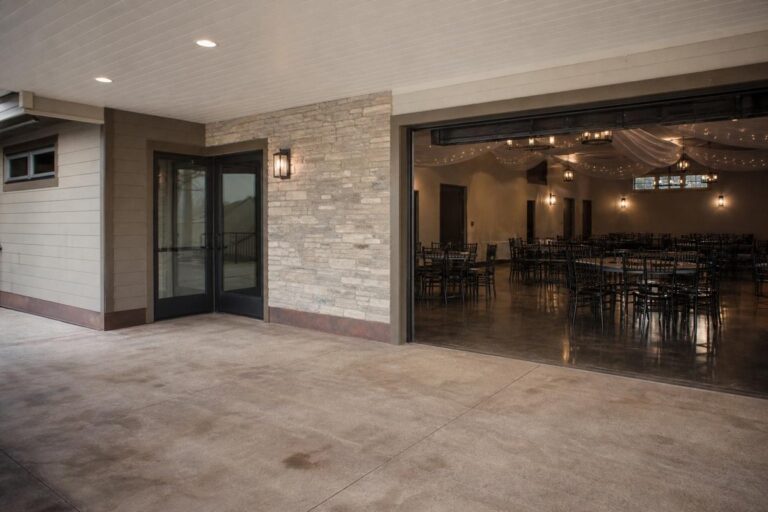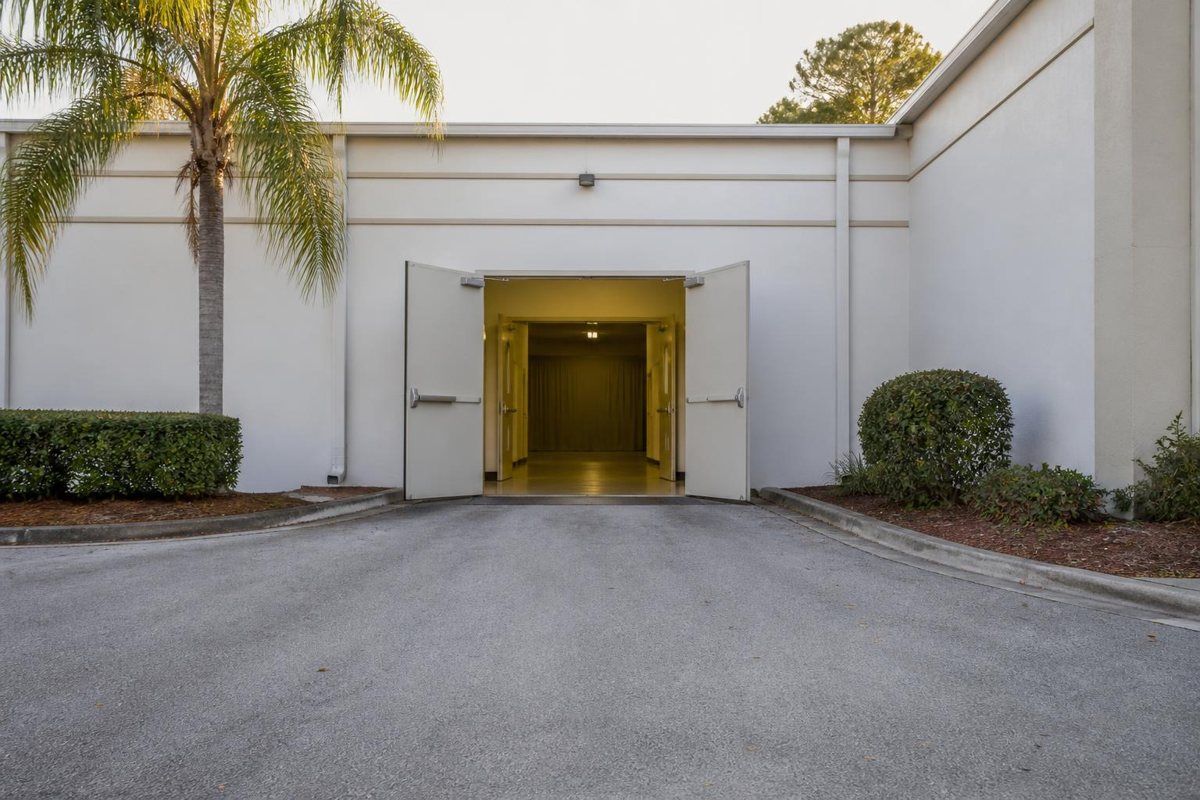
Prepare for event rental delivery by confirming access, placement, venue contacts, and pickup. Share one clear plan with your venue and rental team.
Rental delivery is easiest when the venue, event host, and rental team share the same basics before trucks arrive. An event rental delivery plan should cover the address, access point, contact person, delivery window, room or site layout, and where equipment belongs. Those details sound ordinary, but they determine whether setup begins smoothly or with a string of phone calls.
Confirm the venue’s rules before you finalize a rental list. A ballroom, outdoor property, hotel, park, and private home each create different questions about loading, timing, surface conditions, and staffing. Write answers down and give the same version to everyone involved.
Confirm event rental delivery details before the week of the event
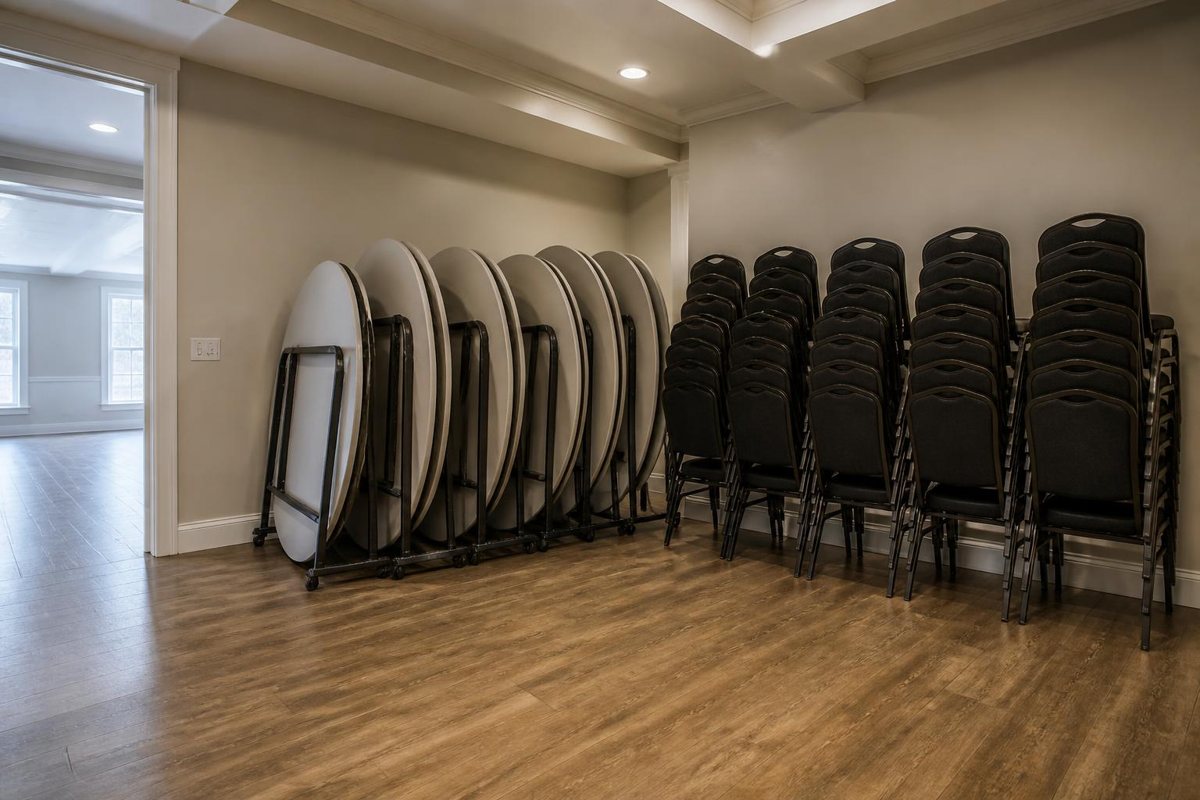
Start with the full address and the exact loading or arrival point. A venue’s public address may not be the door a delivery team should use. Include gate codes only through the appropriate secure communication with the venue and rental provider, along with directions for trucks, parking instructions, and any height or access limits the venue identifies.
Name one on-site contact who can answer questions when delivery occurs. That person should know the layout, venue representative, event schedule, and who can make decisions if something changes. A second contact is helpful when the primary person will be unavailable, but too many contacts can create conflicting instructions.
Creative Events provides event installation and setup including delivery, setup, final checks, and breakdown. Discuss the event’s access and timeline with the team so rentals can be planned around the actual venue conditions.
Give the venue and rental team the same layout
Mark where each major item belongs
Use a simple diagram to show tents, tables, chairs, bars, flooring, staging, and service areas. Include entrances, doors, restrooms, power locations if the venue provides them, and areas that must remain clear. A layout helps prevent a tent or table setup from interfering with catering, guest arrival, or the event program.
Connect related rentals in the same plan. Tent rentals, table rentals, and chairs all affect the footprint. A complete layout is more useful than separate notes about each item.
Check the route from truck to setup area
Walk or review the route with the venue if possible. Look for gates, stairs, elevators, narrow turns, landscaping, and rooms that must stay open. The U.S. Access Board’s accessible-route guidance can help frame why clear paths matter; confirm the requirements and restrictions that apply with the venue.
Ask about timing, weather, and site conditions
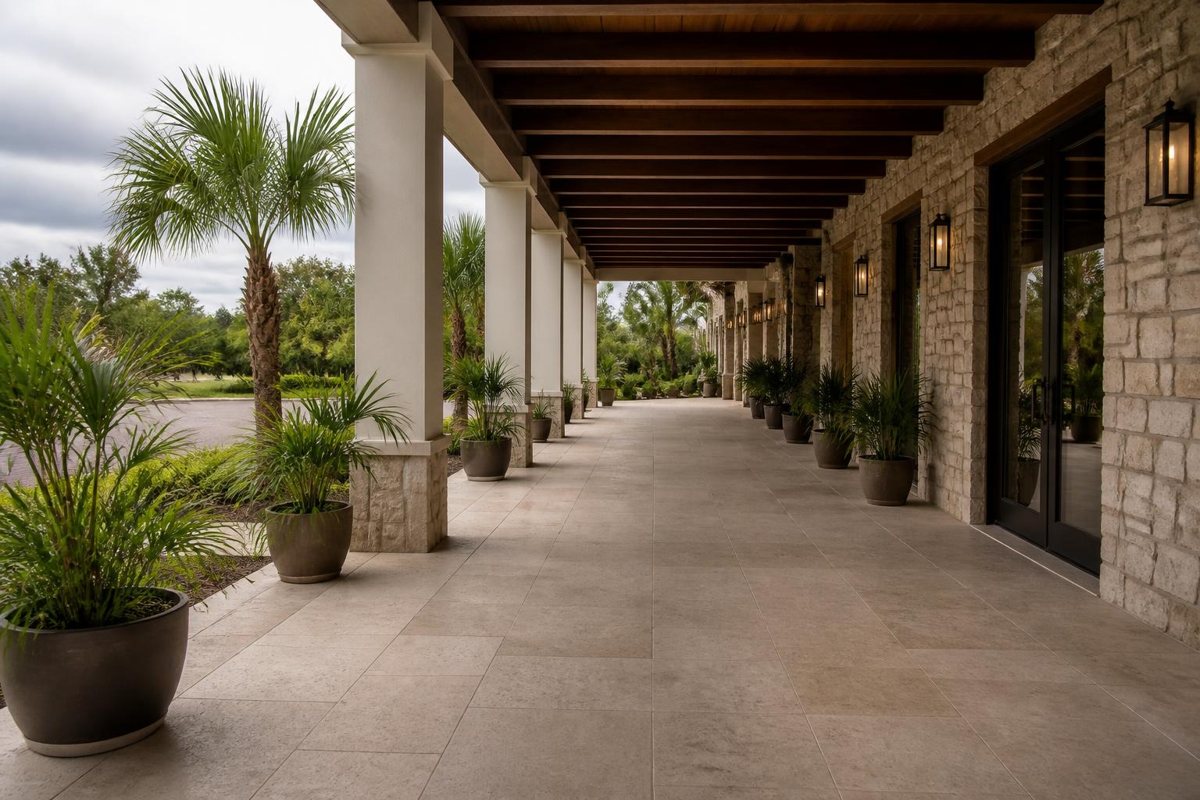
Confirm when the venue allows delivery, installation, guest access, and breakdown. Do not assume a venue is available simply because the event starts later in the day. Ask who unlocks gates or rooms, how early vendors may arrive, and what must be removed before the event ends.
For an outdoor event, share the site surface and any anticipated weather concerns with the rental provider and venue. The National Weather Service’s lightning safety guidance is a useful reminder to monitor conditions and follow venue or event-professional direction when weather is active. It is not a substitute for a site-specific operating plan.
Keep a final delivery checklist
In the final review, verify the item list, quantities, delivery address, loading instructions, site contact, setup diagram, venue access times, and breakdown plan. Confirm who will inspect the placement once the rentals are set. If the venue has a coordinator, send them the latest layout and ask them to flag conflicts before event day.
For a Fort Myers event, local event rental and planning support can bring the equipment list and setup sequence into one conversation. Clear information protects the event timeline and makes it easier for every vendor to do their part.
Separate confirmed facts from open questions
Make one section of your delivery sheet for confirmed information and another for questions still awaiting the venue. Confirmed information might include the event address, contact names, agreed setup area, and known access hours. Open questions may include a loading entrance, elevator availability, exact room assignment, or whether another event will share the property. Keeping those categories separate prevents an assumption from being repeated as a final instruction.
Set a date for resolving each open item. If a site visit or venue diagram is needed, arrange it while there is still time to adjust the rental plan. A final answer may affect the number of hands needed for setup, the order items are placed, or whether a large piece can reach its intended location.
Think through arrival and breakdown as separate operations
Delivery and pickup often happen under different conditions. Guests may be arriving during one and leaving during the other. The venue may use a different door after hours, or the room may need to be cleared in a certain sequence. Confirm who will be present at each point and who can authorize access. Include any venue instructions about protecting floors, using elevators, or keeping specific doors clear.
A breakdown plan should also say what happens to items that guests may still be using near the end of the event. For example, tables, chairs, bars, and décor may need to remain until guests have departed. Coordinate timing with the venue and rental team so cleanup, pickup, and venue closing procedures do not compete with one another.
Make the final call useful
In the last confirmation, read the plan from start to finish instead of asking only whether delivery is “all set.” Verify the date, address, delivery point, contact, equipment list, layout version, venue access time, and pickup sequence. Ask whether anything changed at the venue since the last conversation. Then share only the current version of the plan with vendors, so outdated diagrams do not reappear on event day.
Keep one current plan through pickup
A current plan also gives the venue a reliable reference if access questions arise while the event lead is occupied.
Give the on-site contact a concise copy of the plan rather than asking them to search through emails. A single page with access, timing, layout, and contacts is easier to use when crews and venue staff need a quick answer.
If a venue gives verbal instructions that differ from the existing plan, record the change promptly and confirm it with the people affected. A new access door, revised room assignment, or earlier closing time can change the setup sequence. Written confirmation keeps an understandable adjustment from becoming a missed message.
Prepare the site before equipment arrives
Before delivery, make sure the venue knows which areas need access and who will meet the crew. Remove personal vehicles or temporary obstacles only when the venue authorizes it, and make sure the event contact has the current layout available. If the delivery area is outdoors, share any site changes that happened after the original plan, such as construction, landscaping work, or a different guest entrance.
Do not leave key decisions for a driver to interpret at arrival. If a tent, bar, tables, or flooring could be placed in more than one location, mark the final position on the drawing and have an authorized contact ready to confirm it. That preparation protects both the event schedule and the venue’s operations.
Keep records that make pickup easy
Store the final rental list and the venue contact information where the event lead can reach them after the event. Note any items that were moved during the celebration so the pickup team can find them. If the venue requires a final walkthrough, schedule it around the pickup sequence rather than after every vendor has left.
A calm delivery plan is built from shared, specific information. When the host, venue, and rental team each know the address, access route, timing, layout, and decision contact, event rental delivery becomes one predictable part of a much larger day.
Frequently asked questions
What should I tell a rental company about my venue?
Share the address, delivery entrance, access rules, event timeline, layout, on-site contact, and any venue restrictions that affect setup.
When should I confirm delivery details?
Confirm as soon as the venue and event plan are known, then review the final details again before the event.
Do I need a layout for simple rentals?
A simple diagram still helps when tables, chairs, bars, tents, or service areas need to fit together.
For event rental delivery planning that fits your venue, request a quote or call Creative Events & Rentals at (239) 768-6393. We can help coordinate Fort Myers-area rentals, access details, and setup questions.