


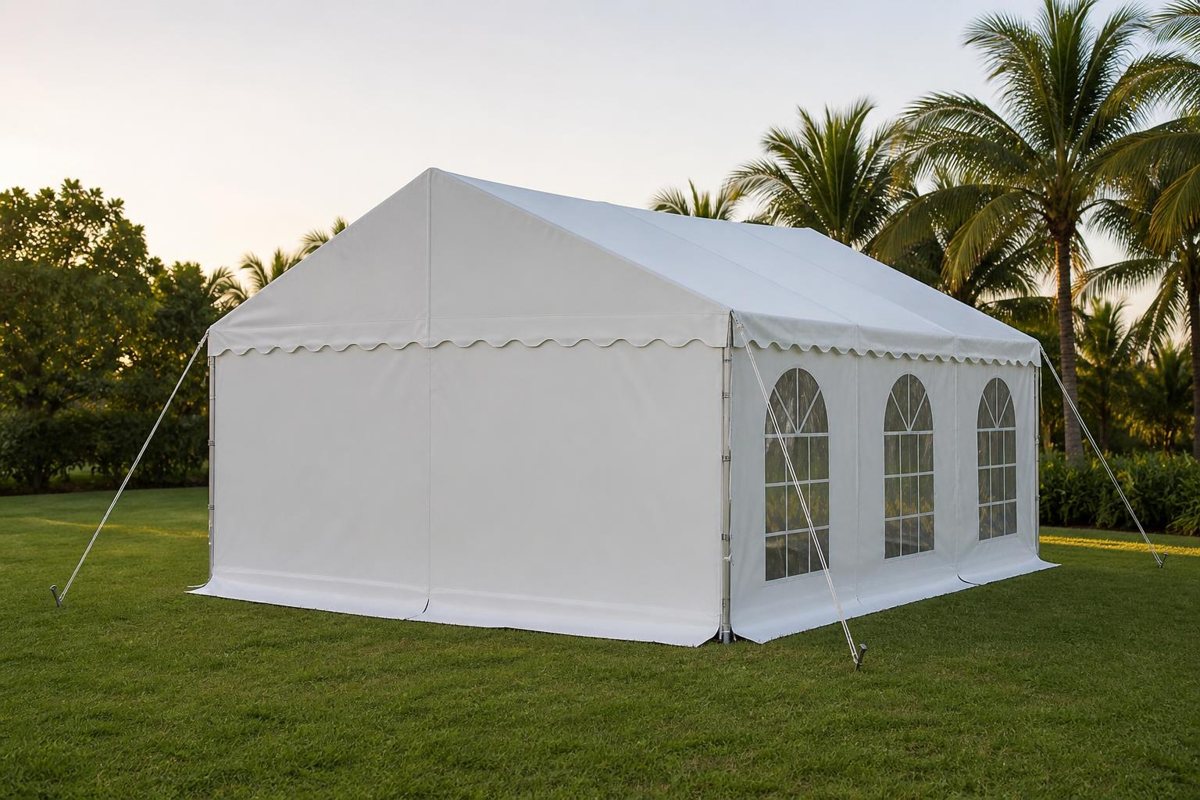
Compare tent rental quotes by checking structure, installation, flooring, access, and pickup scope. Bring the same event details to every conversation.
When you compare tent rental quotes, the lowest number on a page rarely tells the whole story. A useful comparison starts by making sure every provider received the same event facts: date, site, guest count, tent use, and rental items. Then you can evaluate the layout and scope behind each quote instead of comparing unlike lists.
Compare tent rental quotes using one event brief
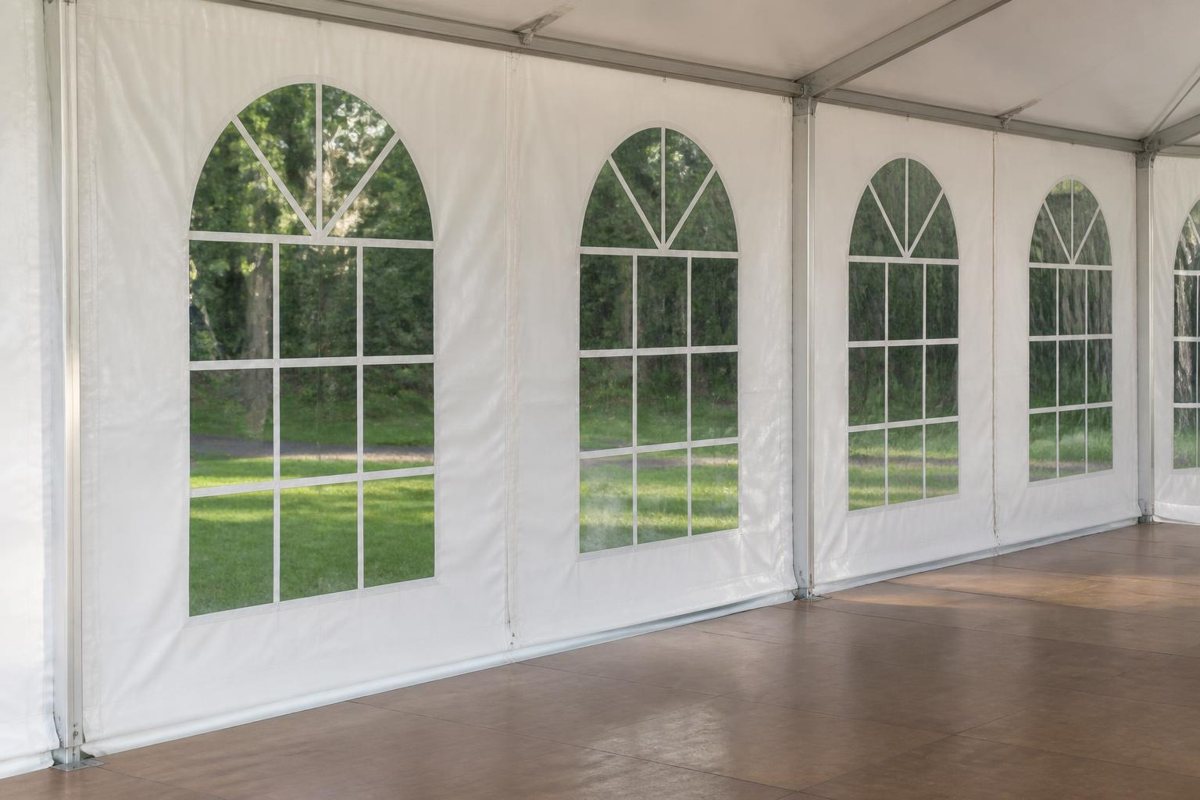
Send each provider a consistent request. Include the address, event time, approximate guest count, ground surface, access details, and whether the tent covers dinner, a ceremony, a bar, entertainment, or another activity. Add a site sketch and photos when possible. The more consistent the inputs, the more useful the comparison.
Ask each quote to identify the tent configuration and every related rental item. A tent plan often connects with tables, chairs, lighting, flooring, or climate-related equipment. Creative Events’ tent rentals page is a starting point for defining the category before you request a layout.
Read the scope behind the price
Layout and equipment
Check whether the quoted footprint supports the guest activities you described. Look for seating, food service, walking space, a bar, dance area, and entrance locations. Ask how the proposed layout handles the site rather than assuming a size name means the same thing from every provider.
Site and access questions
Review what each provider needs to know about gates, stairs, pavement, grass, trees, overhead features, and delivery access. These points affect whether a plan suits the property. Put questions in writing and save the responses with the quote.
Setup timing
Confirm the event timeline and when the site is available for setup and removal. A clear sequence helps the venue, caterer, decorator, and rental team work around one another.
Plan weather and guest movement separately
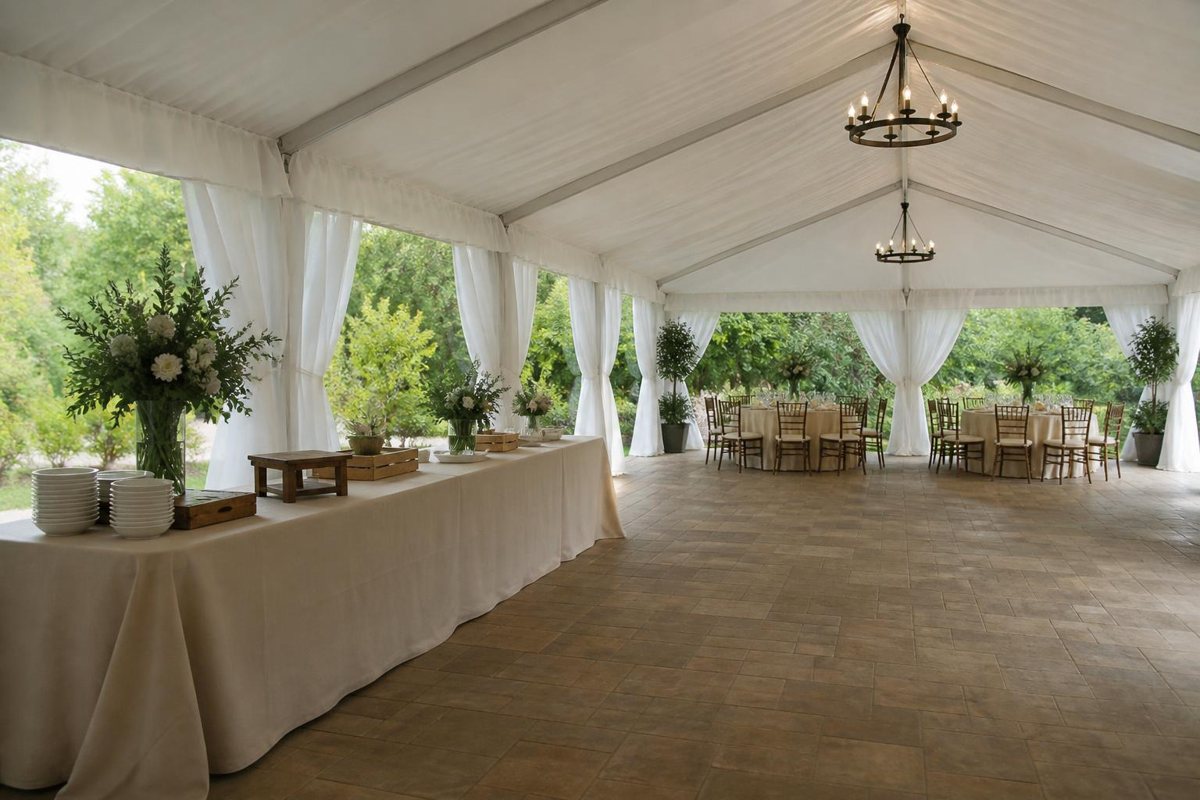
A tent creates useful event cover, but it should not be treated as lightning shelter. The National Weather Service says tents are not safe during a thunderstorm. Discuss a weather communication and shelter plan with the venue and event team before the event day.
Also look at arrival and circulation. Keep routes from parking and entrances in mind as you place furniture and décor. The U.S. Access Board’s accessible-route guidance provides context for why connections from arrival points matter; the venue can advise on its site.
Use a comparison worksheet
For every quote, note the proposed tent, included rental pieces, site assumptions, setup window, and questions still unanswered. A worksheet makes it easy to see when one quote includes a component another has not addressed. It also creates a clean record when your event team decides which plan best matches the experience you want.
For a local site, use the Fort Myers service page and bring the location details into the conversation. A site-aware quote is more useful than a generic package list.
Check that every quote describes the same event
Make a comparison sheet with one column for the facts you supplied and one column for each provider’s response. Begin with date, site address, guest range, event hours, and intended use. Then list the proposed tent footprint, furniture, lighting, flooring, food-service areas, and any other visible component. If one quote does not name an item you expected, mark it as a question rather than assuming it is included.
This process is especially helpful when a proposal uses general terms such as “package” or “setup.” Ask what the term means for your event. A complete answer identifies the pieces, where they go, and what site assumptions were made. You can then decide whether each component belongs in the event instead of reacting to a total alone.
Compare the guest experience
Imagine a guest arriving at each proposed setup. Where do they enter? Is there a covered or comfortable gathering area? How do they find seating, beverages, and restrooms? Can a server pass through the room while people are standing at the bar? A quote that creates a clear path and activity zones may be more useful than one that only lists equipment.
Also consider the event’s high-traffic moments. At a ceremony, guests arrive at once. At dinner, they may form a buffet line. During a toast, they need a view of the speaker. During dancing, some guests want to sit and talk. The layout should account for these moments rather than placing everything at the edges of a diagram.
Bring site questions forward
Before choosing a quote, make sure the rental team has seen the relevant site conditions. Share photos from the access route and event area, plus measurements of gates, walkways, and the usable surface. Point out landscaping, overhead features, slopes, pools, irrigation, and doors that must remain accessible. A proposal based on a clear site picture creates a more practical planning conversation.
Ask the venue what it supplies and what it expects from outside vendors. There may be designated loading routes, hours when the space can be accessed, or portions of the property that must stay clear. Put those answers in the comparison sheet so each proposal is being evaluated against the same conditions.
Keep the quote review collaborative
Invite the people who own major choices to review the sheet together: the host, venue contact, planner, caterer, and rental representative as appropriate. The aim is to identify what each plan supports, not to force a quick decision from a line item. If a change is needed, update the event brief and ask for the effect on the proposed arrangement.
Save the final version of the layout, item list, and event timeline in the same folder. It becomes a useful reference for every person working on the event and reduces the chance that an old email contains a different version of a decision.
Ask clear follow-up questions
When a line item is unclear, ask a specific question tied to the event brief. For example: “Where does the proposed buffet go?” “Which items support the bar?” “What part of the site is this layout using?” “What information is still needed to review access?” Specific questions produce details you can put on the comparison sheet.
Keep responses attached to the proposal version they address. If the guest count or site conditions change, send the updated brief to each provider. This preserves a fair comparison and prevents one team from pricing an older version of the event.
Review the timeline with the layout
A quote may look complete until you place it on the clock. Consider when the site opens, when delivery can occur, when other vendors arrive, and when guests enter. A food station that works during cocktail hour may need a different location once dinner begins. A dance area may be empty at arrival and central later in the evening.
Write those transitions next to the floor plan. Ask whether a proposed arrangement supports them without rushing guests or blocking service. The final choice should work throughout the event, not only at the moment the room is first set.
Decide with the full event team
Before choosing, review the leading option against your must-have list. Does it cover the planned activities? Does it fit the actual site? Does it give guests clear arrival and movement? Does the schedule leave room for setup and transitions? This review keeps the decision centered on the event experience.
Once you select a plan, share the final scope with the venue and vendors who will use the space. A consistent layout, item list, and contact path make the remaining planning work much easier to coordinate.
Frequently asked questions
What should I send when requesting tent quotes?
Send the date, address, guest range, event schedule, site photos, measurements, and the activities that need cover.
Why do tent quotes differ?
They may reflect different layouts, equipment lists, site assumptions, or event timelines. Compare the stated scope line by line.
Should I choose a tent by guest count alone?
No. Guest count begins the conversation, but meal service, dancing, circulation, and site conditions affect the layout.
Can a tent serve as a lightning shelter?
No. Build a separate weather and safe-shelter plan with the venue and event team.
What is the best way to review competing quotes?
Use one event brief and a line-by-line worksheet. Compare the stated layout, items, site assumptions, event timing, and unanswered questions.
Bring a clear brief when you compare tent rental quotes. Call Creative Events & Rentals at (239) 768-6393 or request a quote for your Fort Myers event.